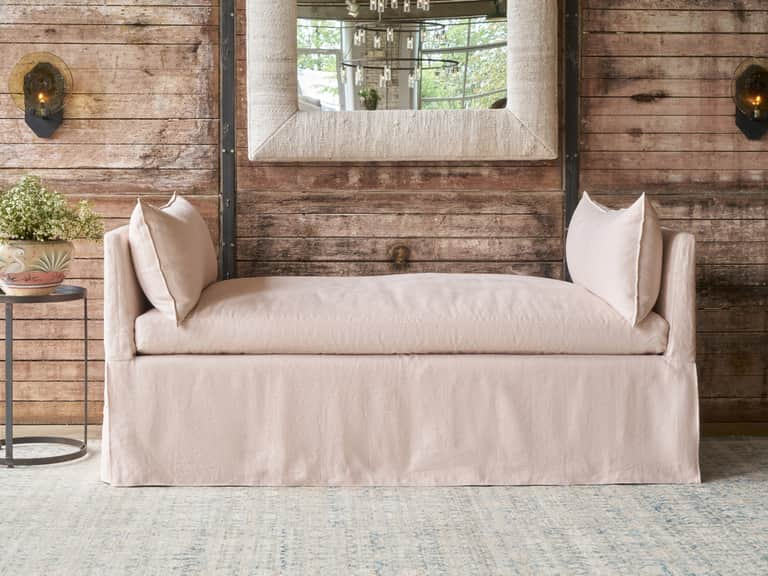
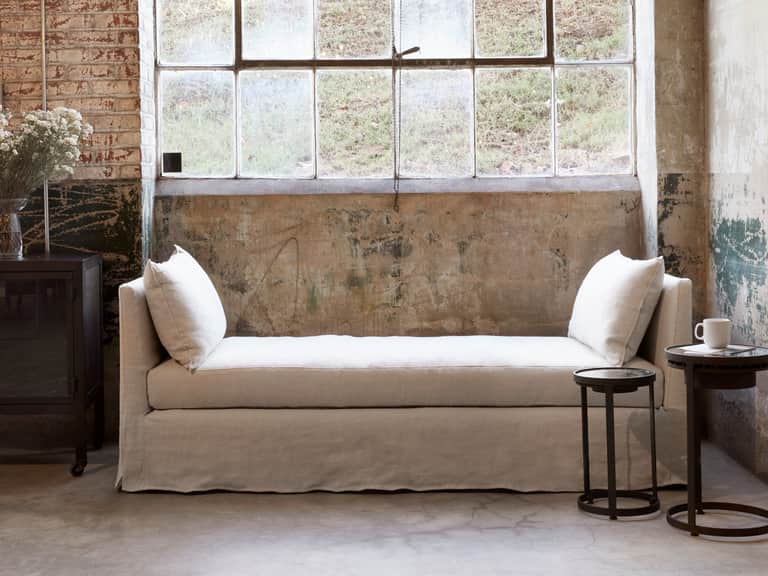
Daybeds combine the lounging function of a sofa with the sleeping surface of a bed, making them useful in guest rooms, home offices, and compact living areas. Their versatile form supports daytime seating and occasional or regular sleep, while bedding, pillows, sheets, and comforters help adapt the setup to different needs.
A daybed’s design typically places a mattress on a frame with a back and sides, creating a defined seating area without requiring a separate sofa. Mattress dimensions and frame construction vary, so room measurements and intended use are important considerations. Some configurations can also accommodate a trundle for an additional sleeping surface.
The Cisco Home Richard Daybed is one example of a daybed designed for dual-purpose use. Its category role is to provide a place for both sitting and sleeping, helping a room serve more than one function. Pairing a daybed with appropriately sized sheets, supportive pillows, and a comforter can make it suitable for overnight guests.
The Cisco Home Linda Trundle Daybed combines a daybed format with a trundle configuration, which can provide a second sleeping surface when needed. This arrangement is useful in guest spaces where floor area is limited during the day. The trundle’s fit, mattress requirements, and clearance should be considered alongside the main bed’s dimensions.
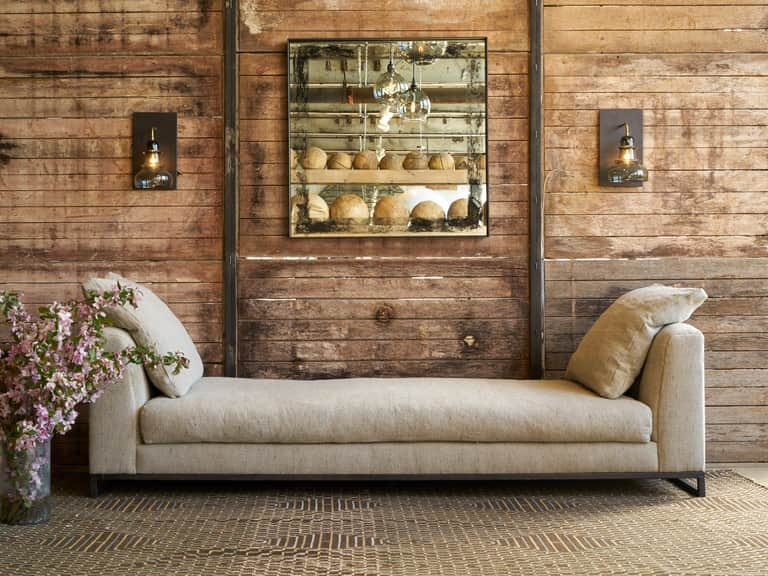
The Cisco Home April Daybed offers another option within the daybed category for rooms that need flexible seating and sleeping. Across these models, comfort depends on mattress support, suitable bedding, and the needs of the user. Unlike adjustable beds, most daybeds use a fixed frame, so compatibility should be checked before selecting sheets or accessories.
 Furniture