 Mattresses
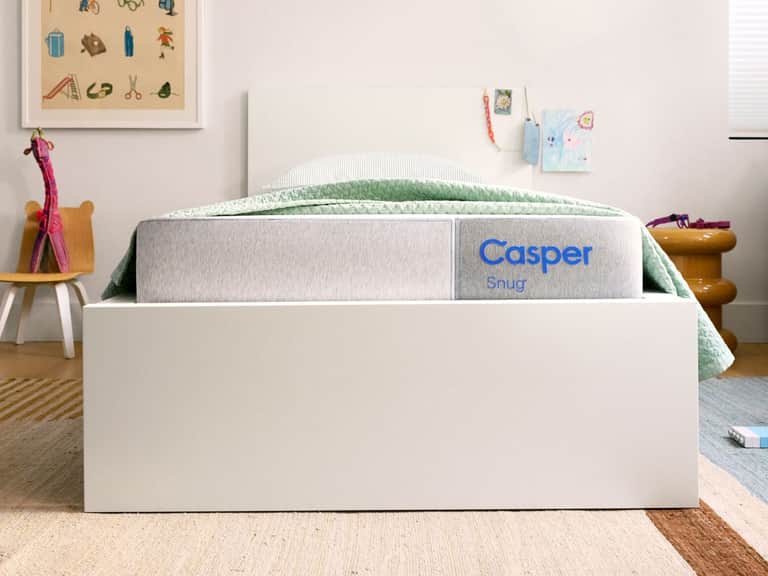
Snug™
Snug cradles growing sleepers with three breathable foam layers, delivering snug support and deeper sleep, while two waterproof protectors guard spills for easy mornings and worry-free routines.
Foam mattresses are designed to provide contouring support and pressure relief by distributing body weight evenly across the sleeping surface. This category highlights polyurethane and memory foam options that adapt to different sleeping positions, promoting spinal alignment and reduced motion transfer for mixed-sleeping households. Key features include density ratings, durability, and off-gassing considerations.
Viscoelastic memory foam variants respond slowly to body heat, molding to curves for targeted support at the shoulders, hips, and lower back. Memory foam mattresses can help minimize pressure points while maintaining a stable sleeping surface. Users should consider density, firmness, and cooling technologies when evaluating comfort and longevity in foam designs.
High-density polyurethane foams offer robust support and resilience, often with zoned layering to address different regions of the body. These foams balance contouring with support, helping to maintain proper spinal alignment. Foam compositions may include open-cell structures to improve breathability and heat dissipation during sleep.
The Snug™ line comprises foam mattress models featuring varying firmness levels and layer configurations to suit diverse preferences. Functional benefits commonly include enhanced motion isolation, improved edge support, and simplified restoration through breathable cover materials. Understanding layer order and material composition assists in selecting a mattress that matches sleep style and room environment.
When considering bedding integration, foam mattresses pair with compatible pillows, adjustable foundations, and accessories such as wool comforters and breathable bedding fabrics. Features to note include cover fabrics, antimicrobial properties, and temperature regulation. A well-chosen foam mattress supports restful sleep, complements room aesthetics, and harmonizes with complementary bedding without compromising comfort.
Mattresses